Heroic Outfitters
Related Articles


Encircled but Unbroken
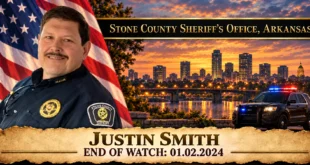
Encircled by three enemy regiments in the jungles of Vietnam, Sergeant William Maud Bryant faced a fight that should have ended in annihilation. The ambush came with overwhelming force, waves of automatic weapons fire ripping through the perimeter and pinning his unit down from every direction. There was no safe ground, no easy escape, only chaos and the sound of men under fire.
But Bryant didn’t freeze, and he didn’t fall back. He moved directly into the storm, pushing through gunfire to rally his men, dragging order out of chaos as he redistributed ammunition, reinforced weak points, and rebuilt a defensive line that was seconds from collapse. When everything around him pointed to defeat, he made a decision that defined the battle, he chose to stand and fight.
And he didn’t just stand, he led. Not from behind cover, not from a distance, but from the very front where the danger was greatest. Every step he took exposed him to enemy fire, every movement a risk that could have ended him, but he kept going, steady, focused, completely unshaken. He checked on the wounded, encouraged the shaken, and made sure every man knew they were still in the fight. His presence alone became a weapon, holding the line together when it should have broken. Under his command, what should have been a shattered unit transformed into a force that refused to give ground, no matter the cost, no matter the odds, no matter how heavy the fire came down.
Charging Into the Fire
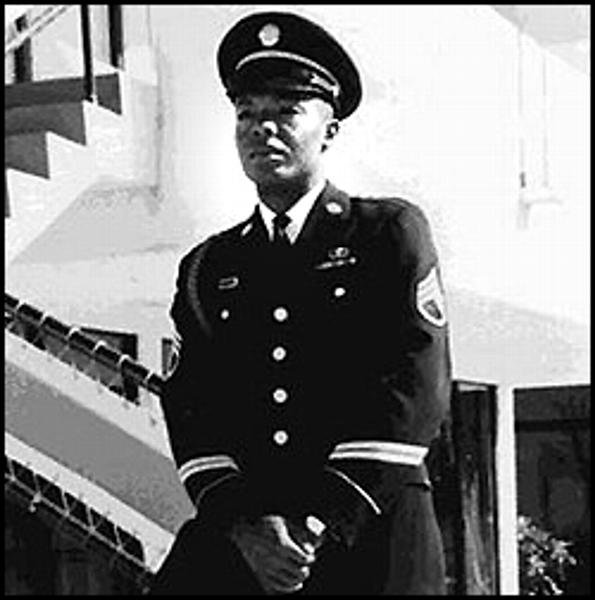
As the battle intensified in Long Khanh Province on March 24, 1969, Sergeant William Maud Bryant didn’t just hold the line, he drove straight into the heart of the fight. Surrounded by elements of three enemy regiments and under nonstop fire, he moved through the chaos with absolute disregard for his own safety, rebuilding defensive positions, distributing ammunition, and pulling wounded men back into cover. When supplies were dropped under fire, he ran through open kill zones to retrieve scattered ammo, making sure his men had what they needed to keep fighting. This wasn’t survival instinct. This was leadership forged in fire.
Even after being severely wounded, Bryant refused to step out of the fight. He organized a patrol to break through the encirclement, pushing forward against heavily fortified enemy bunkers. When the advance stalled under crushing automatic weapons fire, he did the unthinkable. Calling in helicopter gunship support dangerously close, he then charged an enemy position head on, overrunning it and eliminating the threat himself. It was raw, fearless aggression against impossible odds. His actions didn’t just disrupt the enemy, they shattered their momentum and reignited the fight in every man around him. Watching their leader refuse to fall, his men rose with him, turning a desperate stand into a relentless counterattack.
A Legacy Forged in Sacrifice
William Maud Bryant’s story didn’t begin on that battlefield, it was built over years of discipline, training, and relentless preparation. From his early days after enlisting in 1953, through airborne school, reconnaissance training, and Special Forces assignments, he shaped himself into the kind of soldier others relied on when everything was on the line. By the time he reached Vietnam, he wasn’t just another soldier, he was the one men looked to when things went wrong. And on that day, everything went wrong.
As the final moments of the battle unfolded, Bryant continued to lead, regrouping his men for one last push against the entrenched enemy. It was there, still directing the fight, still refusing to give in, that he was struck by a fatal rocket. He fell in the exact way he lived on that battlefield, pushing forward, refusing to back down, giving everything he had. His actions saved lives, held the line, and left behind a standard of courage that few will ever match.
For that, he was awarded the Medal of Honor. But no medal can fully capture what he gave. This was more than bravery. This was a man who chose duty over safety, leadership over self-preservation, and brotherhood over everything. His legacy isn’t just remembered, it’s felt in every story of men who stood when they shouldn’t have been able to. This is what it means to fight to the very end.